05
PISPL Team | December 18, 2025 | 1003
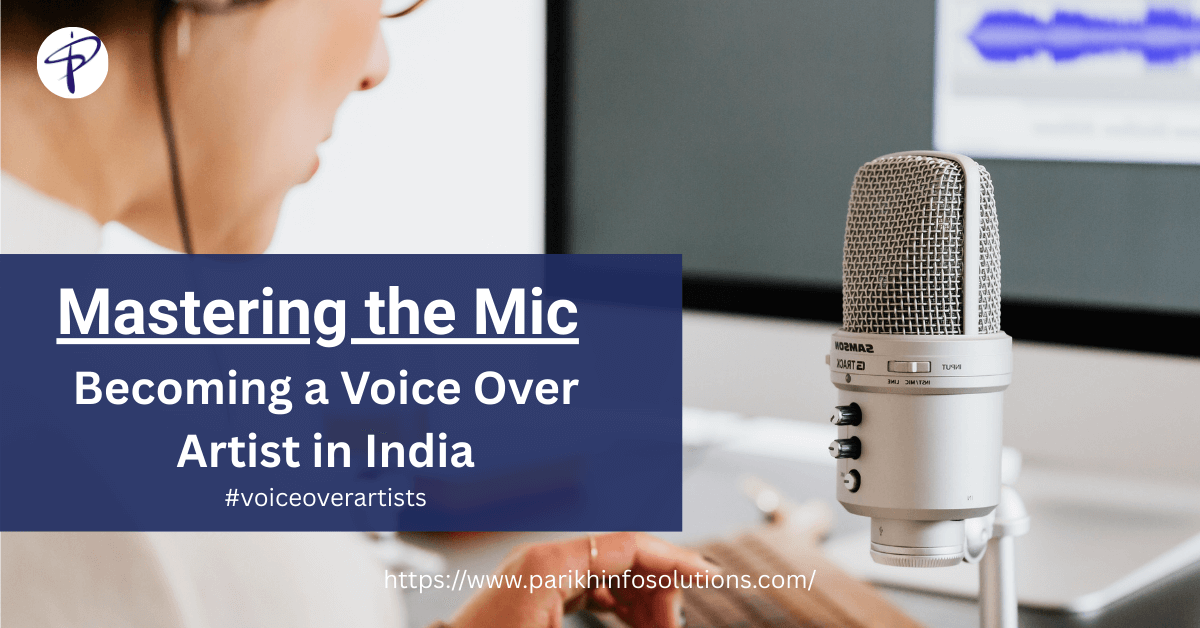
The voice-over industry in India is experiencing a remarkable boom, offering exciting opportunities for aspiring artists. From captivating commercials and engaging e-learning modules to blockbuster dubbing and immersive audiobooks, the demand for skilled voice talent is higher than ever. This article will guide you through the essential steps and insights needed to carve out a successful career as a voice-over artist in this vibrant market.
The Journey to Becoming a Voice Over Artist in India
The journey to becoming a successful voice-over artist in India begins by understanding the multifaceted nature of the industry itself. It is a vibrant ecosystem where opportunities span across numerous domains. At its core, there’s a significant demand for film and TV dubbing, not only for global content being localized into Hindi, English, and various regional languages but also for original Indian productions expanding their reach across linguistic barriers. Animation, with its ever-growing slate of shows and films, offers a dynamic space for character work. The advertising sector, encompassing both radio and television commercials, continuously seeks fresh voices to connect with diverse audiences. Beyond these mainstream avenues, significant work exists in e-learning modules, audiobooks, podcasts, Interactive Voice Response (IVR) systems, and corporate narrations for presentations and explainer videos. Each of these segments demands unique vocal qualities and interpretative skills.
To thrive in this diverse landscape, mastering a set of essential skills is paramount. Foremost among them is voice modulation, the ability to vary pitch, tone, and pace to convey different emotions and intentions. Coupled with this is clear diction, crucial across multiple languages. While proficiency in Hindi and English is often a baseline, fluency and clear enunciation in prominent regional languages like Tamil, Telugu, Marathi, Bengali, Kannada, or Malayalam can significantly broaden one’s marketability and opportunities. Accent control, including the ability to perform a neutral Indian accent, specific regional accents, or even foreign accents accurately, is highly valued. A strong acting ability is indispensable; voice-over is, at its heart, acting without being seen. This involves deep script interpretation, understanding subtext, character motivations, and the emotional arc of the narrative. Finally, excellent breath control is foundational, enabling sustained delivery, proper phrasing, and preventing vocal fatigue.
Aspiring artists in India have several training options. Dedicated workshops, often short-term, provide intensive practical experience and industry insights. More comprehensive courses offered by academies delve deeper into theory and practical application. For personalized guidance, private coaching with seasoned voice artists can offer tailored feedback and accelerated learning. When evaluating training programs, look for those that emphasize hands-on mic time, provide constructive feedback from industry professionals, cover script analysis, vocal exercises, and offer guidance on creating an initial demo. A good program will also connect you with industry practices and often culminate in a professionally produced demo.
Establishing a basic yet effective home studio is a critical step for modern voice artists. Essential equipment includes a quality condenser microphone, such as a Rode NT1 or an Audio-Technica AT2020, known for their clarity and sensitivity. This connects to an audio interface (e.g., Focusrite Scarlett 2i2) which converts the analog mic signal into a digital one for your computer. A Digital Audio Workstation (DAW) like Audacity (free), Reaper (affordable), or Adobe Audition (professional) is necessary for recording, editing, and mastering your audio. Crucially, invest in sound treatment. This doesn’t necessarily mean an expensive booth; techniques like using acoustic foam panels, heavy blankets, or even recording in a quiet, carpeted room with minimal hard surfaces can significantly reduce ambient noise and echo, ensuring a clean, professional sound.
Once equipped and skilled, creating a compelling voice-over demo reel is your calling card. This short, high-quality audio montage (typically 60-90 seconds) must showcase your versatility across different genres (commercial, narration, character) and languages. Each segment should be professionally produced, highlighting your best work and unique vocal range. Think of it as an auditory resume, meticulously crafted to grab attention and demonstrate your potential to casting directors.
Marketing oneself in the bustling Indian market requires a multi-pronged approach. Leverage online platforms: both international freelance sites like Upwork and Fiverr, and dedicated voice-over platforms such as Voicebooking or Bodalgo. Explore Indian-specific talent portals and social media groups dedicated to the voice-over industry. Directly connect with casting agencies, advertising agencies, production houses, e-learning companies, and dubbing studios by sending personalized emails with your demo and profile. The power of networking cannot be overstated; attend industry events, connect with fellow artists, directors, and producers, and build relationships. Word-of-mouth referrals are often invaluable.
Regarding payment structures, professional rates in India can vary significantly based on the project’s scope, usage, and the artist’s experience and reputation. Artists are typically compensated on a per-project basis, per-minute, per-hour, or sometimes with usage-based fees, especially for commercials where the broadcast reach dictates the payment. Understanding these structures and negotiating professional rates is an acquired skill. The Indian voice-over scene presents unique challenges, including stiff competition, but offers vast opportunities. The explosive growth of digital media, including OTT platforms and YouTube, has created an insatiable demand for new content across languages. Furthermore, the burgeoning regional content market is a goldmine for artists proficient in local dialects, ensuring a dynamic and continually evolving landscape for those ready to master the mic.
Conclusions
Embarking on a voice-over career in India requires dedication, continuous learning, and strategic networking. By mastering your craft, building a strong portfolio, and understanding the nuances of the Indian market, you can unlock a world of opportunities. The journey is rewarding, allowing you to lend your unique voice to diverse projects and become an integral part of India’s thriving entertainment and media landscape.
 Author

© Parikh info Solutions Pvt. Ltd.
2026 All Rights Reserved
Find us on: