05
PISPL Team | March 5, 2026 | 809
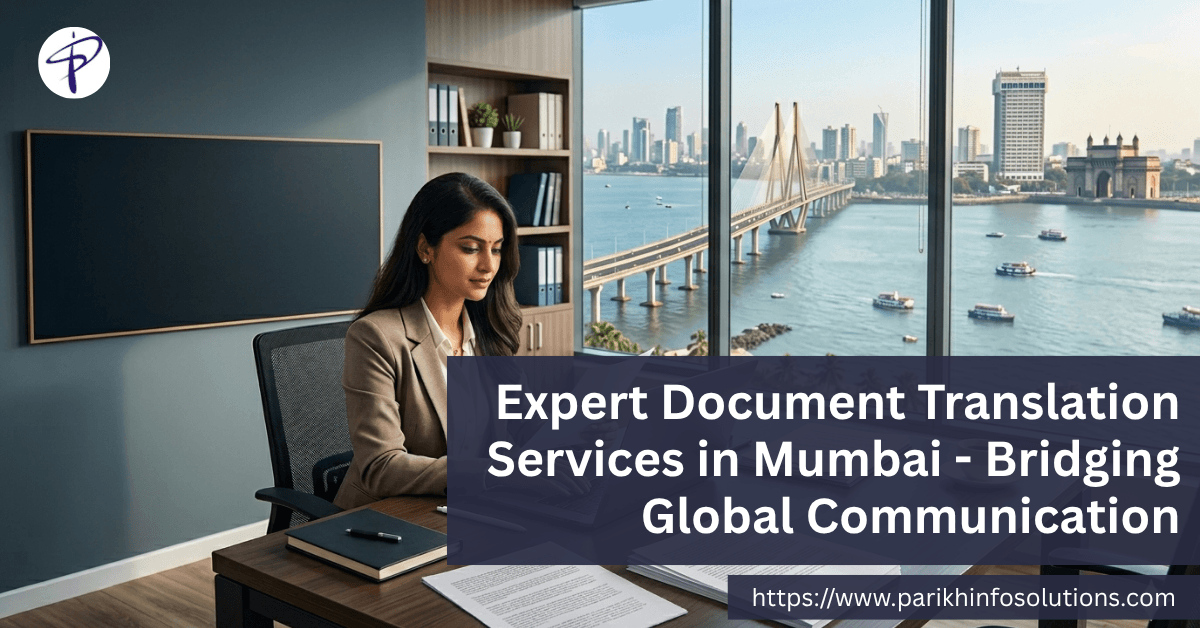
In our increasingly interconnected world, accurate communication transcends mere convenience—it’s a critical necessity. From global business dealings to life-saving medical procedures, language barriers pose significant challenges. This article delves into the indispensable roles of document translation, highlighting the specialized and highly critical field of medical translation, where precision isn’t just a goal, but a matter of life and death.
The Indispensable Roles of Document and Medical Translation
The journey of global communication is fundamentally paved by the intricate process of translation, a discipline that bridges linguistic and cultural divides, enabling understanding and interaction across borders. Within this vast field, Document Translation stands as a foundational pillar, encompassing the rendering of written content from one language to another for diverse purposes. Broadly defined, document translation is crucial across virtually every sector imaginable. It facilitates international business by enabling companies to operate seamlessly across different markets, ensuring clear communication in cross-border transactions and partnerships. It underpins legal compliance, allowing organizations to adhere to local laws and regulations in every jurisdiction they operate. Furthermore, it significantly expands global market reach by making products, services, and ideas accessible to wider audiences, and promotes cultural exchange by sharing knowledge, literature, and information across linguistic barriers.
Typical documents requiring expert translation span a wide spectrum:
Translating these documents presents distinct challenges. Maintaining nuance and tone is crucial, especially in marketing or legal texts. Ensuring appropriate cultural adaptation means content resonates effectively with the target audience, avoiding misinterpretation or offense. Terminology consistency, particularly in technical and legal fields, is non-negotiable for clarity and accuracy. Finally, safeguarding confidentiality is paramount, especially when handling sensitive corporate or personal data. Effective document translation demands a unique blend of expertise: profound linguistic proficiency, specialized subject matter knowledge, a deep understanding of cultural contexts, and adeptness with Computer-Assisted Translation (CAT) tools, which aid in consistency and efficiency.
Transitioning from the general, yet complex, landscape of document translation, we arrive at Medical Translation, a specialization of unparalleled importance where the stakes are unequivocally higher. This field is directly linked to patient safety, public health outcomes, stringent regulatory compliance, the successful development of life-saving drugs, and the advancement of global medical research initiatives. Errors here carry grave consequences, distinguishing it sharply from other translation domains.
The types of documents falling under medical translation are diverse and critically sensitive:
The unique challenges and stringent requirements of medical translation are formidable. There is an expectation of absolute accuracy; zero tolerance for errors, as even minor mistranslations can tragically lead to misdiagnosis, incorrect dosage, adverse drug events, or even fatalities. This demands a profound grasp of specialized terminology, requiring translators to be fluent in the highly specific jargon of anatomy, physiology, pharmacology, pathology, surgical procedures, and medical device mechanics across multiple languages. Regulatory compliance is another critical pillar, mandating adherence to strict international and local regulations (e.g., FDA, EMA, HIPAA, GDPR, specific national health authority guidelines), meaning translators must possess an understanding of these complex legal frameworks. Cultural sensitivity is vital when translating patient information or public health campaigns, necessitating careful consideration of cultural norms, varying levels of health literacy, and diverse ethical perspectives on healthcare. Handling highly sensitive patient data also requires stringent confidentiality and data security protocols, adhering strictly to privacy laws. Consequently, subject matter expertise in medical translation is non-negotiable; translators often possess formal medical or scientific backgrounds, or extensive, verified experience in medical translation, frequently bolstered by specialized certifications.
The severe consequences of inaccuracy in medical translation are far-reaching and catastrophic: patient harm or fatality is the most immediate and tragic outcome. This can lead to significant legal liabilities and lawsuits for healthcare providers, pharmaceutical companies, or medical device manufacturers. It can also cause delayed or failed clinical trials, profoundly hindering medical advancements. Regulatory non-compliance often results in substantial fines, product recalls, or complete market withdrawal, alongside irreparable damage to reputation and public trust.
In conclusion, the synergy of professional translation, whether for general documents or highly specialized medical texts, underscores the paramount importance of expert language services. While medical translation is a distinct and exceptionally critical niche, it shares foundational principles with general document translation regarding the non-negotiable importance of accuracy, cultural sensitivity, and technological proficiency (e.g., leveraging CAT tools, translation memories, and glossaries for consistency and quality assurance). The indispensable role of professional Language Service Providers (LSPs) cannot be overstated; they employ qualified, specialized translators for both general and medical documents, ensuring the highest quality standards and effectively mitigating the inherent risks in language services across all sectors, ultimately fostering global communication and ensuring safety.
Conclusions
Ultimately, both general document translation and highly specialized medical translation are cornerstones of global communication and progress. They ensure clarity, compliance, and mutual understanding across diverse linguistic and cultural landscapes. Entrusting these vital tasks to professional, specialized translators is paramount, safeguarding against miscommunication, mitigating risks, and most importantly, protecting health and fostering global collaboration for a safer, more connected world.
 Author

© Parikh info Solutions Pvt. Ltd.
2026 All Rights Reserved
Find us on: