05

PISPL Team | December 5, 2025 | 928
Video subtitling is an essential practice in the audiovisual industry, providing accessibility and understanding by translating and transcribing spoken dialogue. This article delves into the various aspects of subtitling, from its creation to its distribution, highlighting its significance in bridging language barriers and aiding viewers, particularly those who are deaf or hard of hearing.
Understanding Video Subtitling
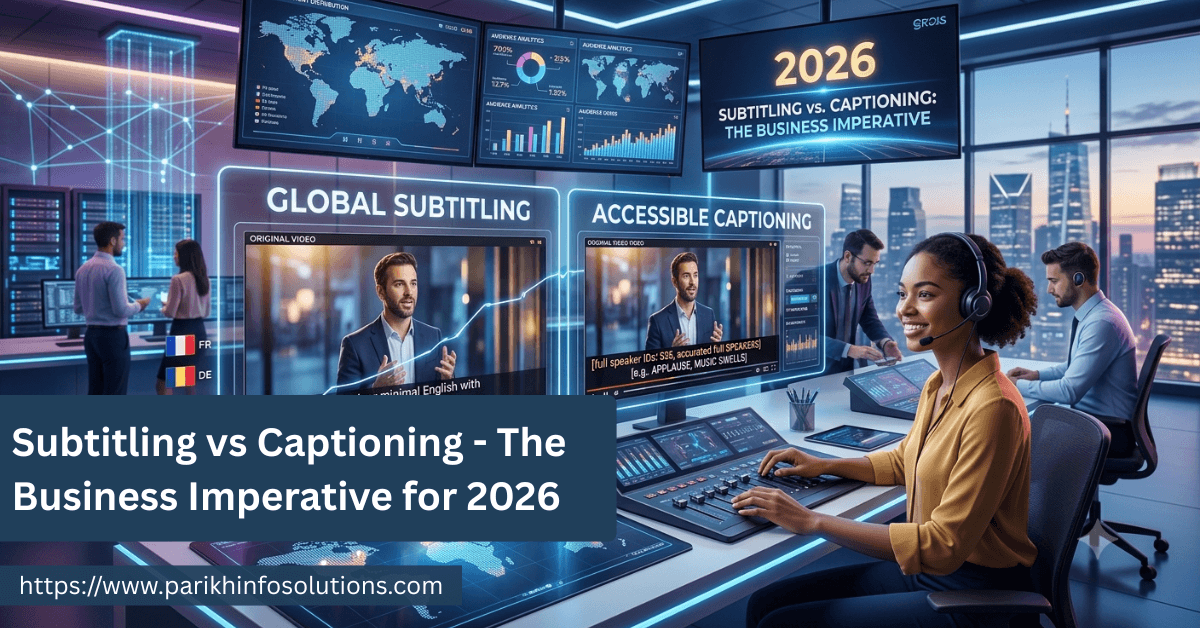
Video subtitling is a multifaceted process that enhances the accessibility and comprehension of audiovisual content. At its core, subtitling refers to the transcription or translation of dialogue into text displayed on the screen. There are two primary forms of visual text presented in videos: subtitles and captions. While often used interchangeably in casual conversation, they serve distinct purposes. Subtitles generally convey translated dialogue for audiences who speak different languages, preserving the original audio in the process. Captions, on the other hand, go a step further by also including non-verbal elements such as sound effects and speaker identification, providing a comprehensive experience for viewers who are deaf or hard of hearing.
The effectiveness of video subtitling in enhancing the viewing experience cannot be overstated. For non-native speakers, subtitles offer an opportunity to engage with the content more deeply by providing textual support that can aid language learning. Additionally, audiences may find subtitles useful in noisy environments where audio cannot be easily discerned. For viewers who may struggle with following rapid dialogue or heavy accents, well-timed and accurate subtitles can foster a better understanding of the narrative and thematic elements of the video.
In video subtitling, one must distinguish between open and closed subtitles. Open subtitles are permanently embedded in the video and cannot be disabled by the viewer. This approach is common in films and TV shows intended for audiences who face language barriers. Conversely, closed subtitles allow viewers the option to toggle them on or off. This flexibility can cater to a wider audience, including those with visual impairments who may prefer listening to the content in its original language.
Creating effective subtitles is not without challenges. Accurate transcription demands not only linguistic precision but also an understanding of context and cultural nuances. This process becomes even more complex when translating idiomatic expressions that may not have direct equivalents in the target language. Furthermore, subtitlers must balance brevity with clarity, often employing strategies like condensing text while retaining the essential meaning. Timing is another critical factor; subtitles must synchronize perfectly with the audio to prevent viewer confusion or frustration. This necessitates careful timing techniques and can lead to a rhythm that enhances the natural flow of conversation.
From a technical standpoint, the delivery of subtitles requires specific software and standards. File formats such as SRT (SubRip Subtitle), VTT (Web Video Text Tracks), and ASS (Advanced SubStation Alpha) are widely used for creating and displaying subtitles. Each format has its advantages and can cater to various platforms, but they all require meticulous attention to timing and accuracy. Issues such as lagging subtitles, text overflow, or poor timing can undermine the very purpose of subtitling, causing viewers to disengage from the core message of the audiovisual content.
Accuracy and timing in subtitling are paramount as they create a bridge that connects the viewer to the audio content. A well-crafted subtitle not only reflects the spoken word but also captures the emotion and intent of the speaker. It is through this delicate balance that video subtitling becomes an art form in its own right, woven seamlessly into the fabric of storytelling and communication. As the demand for accessible content continues to grow, the importance of proficient subtitling will only increase, further enriching the viewing experience for diverse audiences around the globe.
Conclusions
In conclusion, video subtitling plays a crucial role in making content accessible and enjoyable for a diverse audience. By understanding its processes and significance, creators can effectively engage viewers, enhance comprehension, and promote inclusivity within the digital landscape. The art of subtitling continues to evolve, catering to the needs of various audiences globally.
 Author

© Parikh info Solutions Pvt. Ltd.
2026 All Rights Reserved
Find us on: