05
PISPL Team | May 18, 2026 | 681
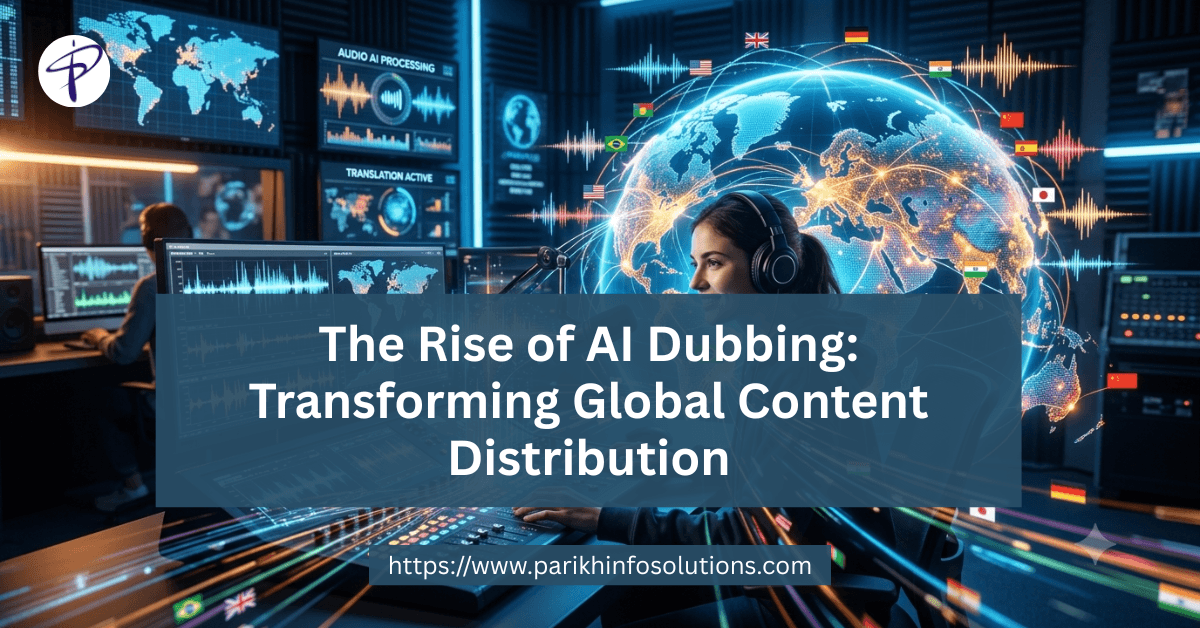
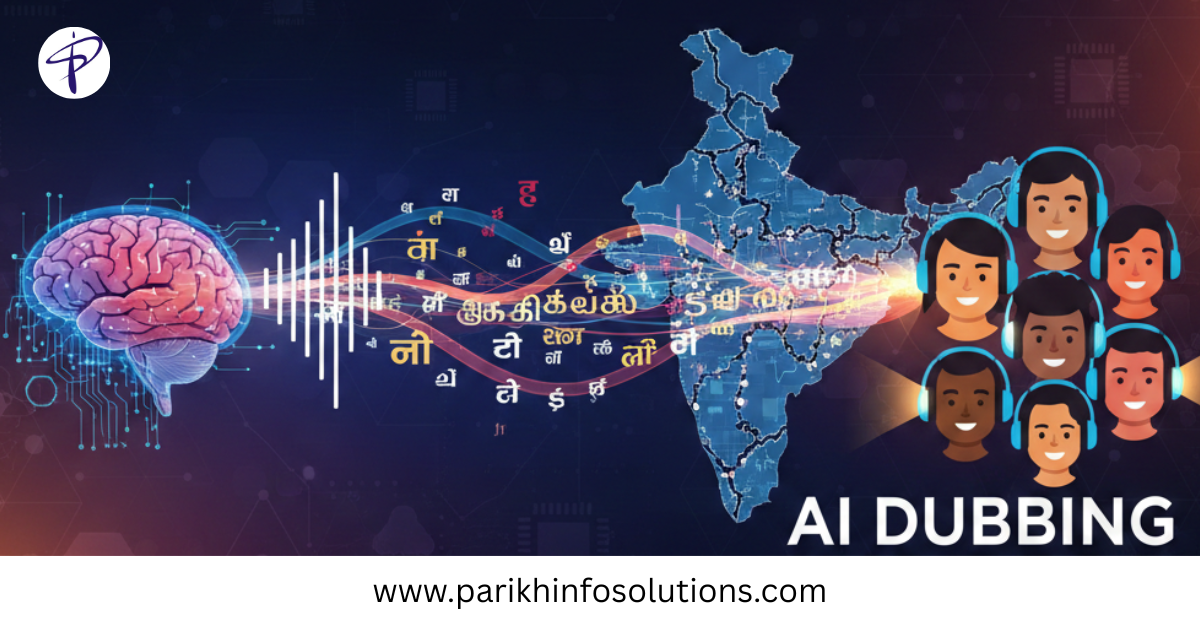
AI dubbing is transforming how we consume global content. By leveraging advanced artificial intelligence, this technology rapidly translates and re-records audio into multiple languages, complete with voice cloning and lip-synchronization. It promises unparalleled speed, cost-efficiency, and accessibility, opening new horizons for international communication and entertainment, while also presenting unique challenges.
AI Dubbing How It Works, Benefits, Challenges, and Future
AI dubbing represents a sophisticated evolution in media localization, distinguishing itself from traditional human dubbing and mere automated transcription or translation by producing fully synchronized, translated spoken audio directly integrated into video content. At its core, AI dubbing orchestrates a complex interplay of advanced artificial intelligence technologies to achieve this seamless linguistic transformation.
The process typically begins with
The key advantages of AI dubbing are manifold. Its most striking benefit is speed, dramatically compressing localization timelines from months to days or even hours, enabling rapid global content releases. This directly leads to significant cost-effectiveness, as it drastically reduces the need for extensive studio time, multiple voice actors, and complex post-production workflows associated with traditional dubbing. Scalability is another major strength, allowing content to be dubbed into dozens of languages simultaneously and handling vast volumes of media with unprecedented efficiency. With advanced voice cloning, AI dubbing ensures superior consistency in voice and brand identity across all localized versions. Ultimately, by providing high-quality dubbed content, AI dubbing greatly enhances accessibility, opening media to wider global audiences who prefer or require dubbed content over subtitles.
Despite these advancements, AI dubbing faces significant challenges and limitations. One primary hurdle is capturing nuance and cultural context. AI still struggles with translating idioms, puns, culturally specific humor, and subtle references that lack direct equivalents in other languages, often leading to loss of meaning or awkward phrasing. The replication of emotional fidelity and performance remains a complex task; while improving, AI can find it difficult to perfectly emulate the full range of human emotion, the subtleties of acting, and the genuine expressiveness of a human voice actor, sometimes resulting in a less impactful delivery. Although improving, voice quality and naturalness can occasionally fall short, with AI-generated voices sometimes sounding robotic, overly uniform, or lacking the distinct human warmth and spontaneity. Ethical concerns loom large, particularly regarding the potential for misuse of voice cloning technology for deepfakes, copyright issues concerning the original voice actors’ likenesses, and the significant potential for job displacement within the voice acting industry. Achieving perfect lip-sync accuracy and visual consistency remains a computationally intensive and sometimes imperfect process, especially across languages with vastly different phonetic structures. Lastly, despite automation, ongoing quality control through human review and post-editing remains essential to address errors, refine cultural appropriateness, and ensure the highest possible quality of the final dubbed product.
The applications and impact of AI dubbing are rapidly expanding across various sectors. In Media & Entertainment, it is revolutionizing how films, television series, documentaries, and video games are localized for global markets, enabling platforms like Netflix and Disney+ to offer extensive multilingual content libraries. For Corporate & Education, AI dubbing facilitates the rapid translation of training videos, e-learning modules, and internal communications for multinational companies, fostering global learning and understanding. Independent Content Creators on platforms like YouTube are leveraging AI dubbing to transcend language barriers, significantly expanding their reach to international audiences without prohibitive costs. Crucially, AI dubbing enhances accessibility for diverse linguistic communities, making content available to those who prefer dubbed audio or face literacy challenges. The Future Outlook for AI dubbing points towards ongoing advancements in emotional intelligence, leading to even more natural and emotionally resonant voices. Real-time dubbing for live events, such as news broadcasts or sporting events, is on the horizon, as are personalized dubbing options where viewers might choose their preferred voice styles or even language variants. These continuous innovations underscore AI dubbing’s transformative potential for global communication, making content truly universal and fostering unprecedented levels of cross-cultural engagement.
Conclusions
AI dubbing stands at the forefront of content localization, offering revolutionary speed and scalability for global media. While challenges persist in maintaining cultural nuance and emotional depth, ongoing advancements are rapidly closing these gaps. It’s not just about translation; it’s about making content universally accessible, fostering a more interconnected world through innovative artificial intelligence.
 Author

© Parikh info Solutions Pvt. Ltd.
2026 All Rights Reserved
Find us on: