05
PISPL Team | May 12, 2026 | 531
Video Remote Interpretation (VRI) revolutionizes how individuals communicate across language barriers. By leveraging video conferencing technology, VRI provides on-demand access to professional interpreters, transforming diverse sectors from healthcare to legal services. This innovation ensures clear, effective communication, fostering understanding and inclusivity in our increasingly globalized world, making essential services accessible to all.
The Comprehensive Landscape of Video Remote Interpretation
The Comprehensive Landscape of Video Remote Interpretation
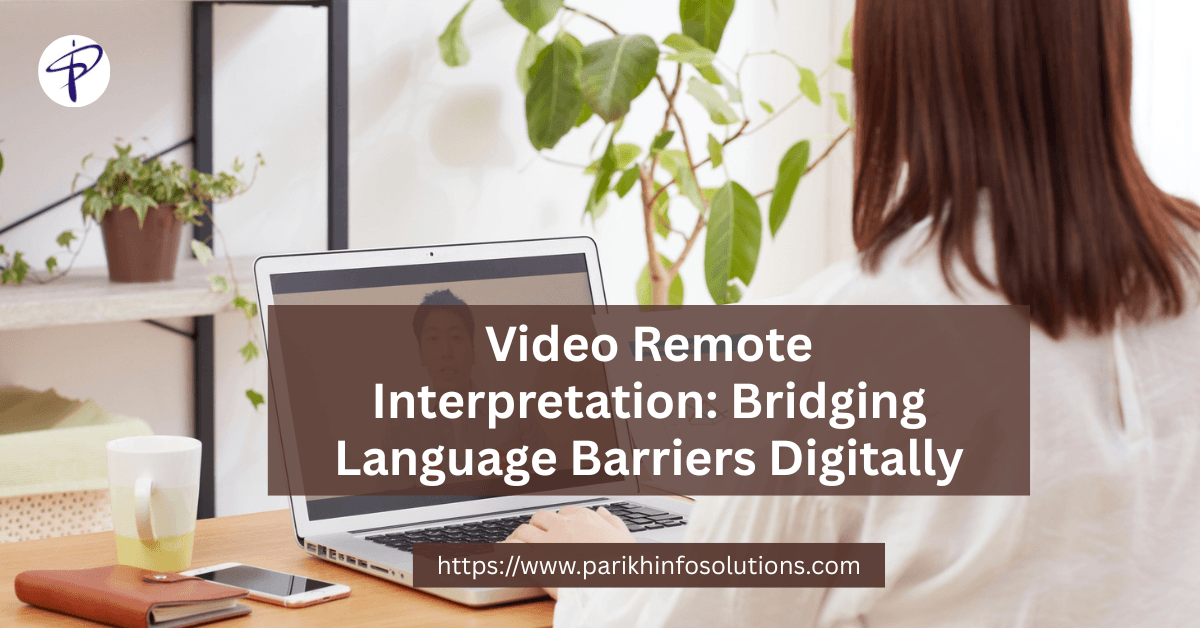
Video Remote Interpretation (VRI) stands as a pivotal service leveraging advanced video conferencing technology to bridge linguistic gaps remotely. Unlike traditional in-person interpretation, which necessitates physical presence and associated logistical complexities, or Over-the-Phone Interpretation (OPI) that relies solely on auditory cues, VRI uniquely integrates visual elements. This crucial addition of sight allows interpreters and participants to perceive vital non-verbal communication, such as body language, facial expressions, and gestures, which are indispensable for conveying complete meaning, intent, and emotional context, thereby significantly enhancing the accuracy and richness of communication.
Operationally, VRI typically involves an accredited interpreter situated at a secure, remote location, equipped with professional audio-visual gear including high-definition cameras, noise-canceling microphones, and comfortable headsets. Simultaneously, the clients requiring interpretation, such as a patient consulting a doctor, a lawyer meeting their client, or participants in a business negotiation, are present together in a physical space, utilizing a device like a tablet, computer, or a dedicated VRI station. The VRI platform then facilitates real-time, instantaneous communication, allowing the interpreter to render spoken language dynamically between all parties, ensuring immediate comprehension and seamless interaction.
The widespread adoption of VRI is largely attributed to its compelling key advantages:
* Accessibility: VRI dramatically expands access to interpretation services, particularly benefiting individuals in remote or underserved geographical areas where on-site interpreters are scarce. It also makes rare or indigenous languages more readily available, connecting specialized linguistic expertise across vast distances.
* Efficiency and Speed: The ability to connect with a qualified interpreter quickly, often on-demand or with minimal pre-scheduling, significantly reduces wait times. This rapid deployment of linguistic support improves service delivery and ensures timely communication in urgent situations.
* Cost-Effectiveness: By eliminating travel time, transportation costs, and per diem expenses associated with traditional in-person interpretation, VRI presents a more economically viable solution, allowing organizations to optimize their budgets for language services.
* Enhanced Communication: The presence of visual cues—facial expressions, gestures, and body language—is paramount. Unlike OPI, VRI enables interpreters to capture these non-verbal signals, providing a more comprehensive understanding of the speaker’s message and emotional state, which is vital for accurate and culturally sensitive interpretation.
* Flexibility: VRI offers unparalleled adaptability to various settings, appointment durations, and scheduling needs, from quick ad-hoc queries to planned lengthy meetings, making it a versatile tool for diverse communication scenarios.
VRI’s transformative power is evident in its diverse applications and use cases across numerous sectors:
* Healthcare: It plays a critical role in patient-provider communication for routine check-ups, emergency room visits, telehealth appointments, and mental health services. VRI ensures informed consent, accurate diagnoses, effective treatment planning, and sensitive discussions, particularly for Limited English Proficiency (LEP) patients.
* Legal and Judicial Systems: VRI is increasingly utilized in court hearings, depositions, client-attorney meetings, administrative hearings, and legal aid consultations. It guarantees due process, ensures a clear understanding of legal proceedings, and upholds the rights of individuals navigating complex legal frameworks.
* Business and Corporate Settings: From facilitating international business meetings and high-stakes negotiations to conducting human resources interviews and enhancing multilingual customer service interactions, VRI removes language barriers, fostering global collaboration and market reach.
* Government and Public Services: VRI assists immigrants, refugees, and LEP individuals in accessing essential government services, social support programs, housing assistance, and educational institutions, ensuring equitable access and effective integration into society.
Effective VRI relies on robust technological requirements and infrastructure. Paramount among these is high-speed, stable internet connectivity, which is fundamental to prevent lag or disruptions. Reliable video conferencing platforms, whether generic tools like Zoom or dedicated VRI platforms with specialized features, are essential for seamless operation. Quality audio-visual equipment, including high-definition cameras, sensitive microphones, and comfortable headsets, are crucial for clear reception and transmission. Furthermore, secure and encrypted communication channels are non-negotiable, particularly in sensitive contexts like healthcare and legal settings, to ensure privacy, data protection, and compliance with regulations such as HIPAA and GDPR.
Despite its numerous benefits, implementing and utilizing VRI involves critical considerations and challenges. Firstly, the need for highly skilled and certified interpreters is paramount; they must possess not only linguistic and cultural proficiency but also specialized training in VRI-specific protocols, ethics, and the nuances of interpreting through a screen. Secondly, technical glitches and connectivity issues, stemming from poor internet service, software failures, or hardware malfunctions, remain potential disruptions that require proactive mitigation strategies and robust IT support. Thirdly, maintaining stringent privacy and confidentiality standards in a remote setting demands strict adherence to data protection regulations like HIPAA or GDPR, necessitating secure platforms and interpreter training on privacy protocols. While VRI provides visual cues, there can still be limitations compared to fully immersive face-to-face interaction regarding subtle cultural nuances and the perception of non-verbal communication, which interpreters are trained to actively bridge through explicit clarification and contextualization. Finally, user adoption and training are vital for both clients and interpreters to effectively utilize VRI technology, ensuring comfort, competence, and optimal service delivery.
In conclusion, Video Remote Interpretation has fundamentally reshaped global communication, offering an unprecedented level of accessibility, efficiency, and quality in bridging language barriers. Its continuous evolution, driven by technological advancements and refined operational protocols, underscores its growing importance and future potential as an indispensable tool for fostering understanding and connection across diverse cultures and distances.
Conclusions
In summary, Video Remote Interpretation is an indispensable tool for modern communication, offering unparalleled accessibility, efficiency, and cost-effectiveness. It empowers diverse communities by breaking down language barriers in crucial sectors like healthcare, legal, and business. As technology advances, VRI will continue to evolve, solidifying its role as a vital link in fostering global understanding and ensuring equitable access to information and services for everyone.
 Author
Related Article
Stay Informed

© Parikh info Solutions Pvt. Ltd.
2026 All Rights Reserved
Find us on: