05

PISPL Team | January 28, 2026 | 1061
Anime dubbing transforms Japanese animation, allowing it to resonate with diverse audiences worldwide. This intricate process involves translating dialogue, casting voice actors, and meticulously synchronizing audio, effectively bridging cultural and linguistic gaps. It plays a crucial role in making beloved series accessible, shaping how millions experience anime beyond its original language and fostering its global phenomenon.
The Art and Impact of Anime Dubbing
Dubbing, in the specific context of anime, refers to the intricate post-production process of replacing the original Japanese vocal performances with translated dialogue spoken by voice actors in another language. This stands in stark contrast to subtitling, which merely overlays translated text onto the original audio, allowing the viewer to hear the original performances while reading the translation. The process of dubbing an anime series is multifaceted and highly specialized, beginning with meticulous script translation. This isn’t a mere word-for-word rendition; it involves significant adaptation and localization. Translators must navigate cultural nuances, idioms, and humor, often rephrasing lines to resonate with a target audience while striving to maintain the original artistic intent and character personalities. Challenges include reconciling cultural-specific jokes, honorifics, or historical references that might be lost or misunderstood in direct translation.
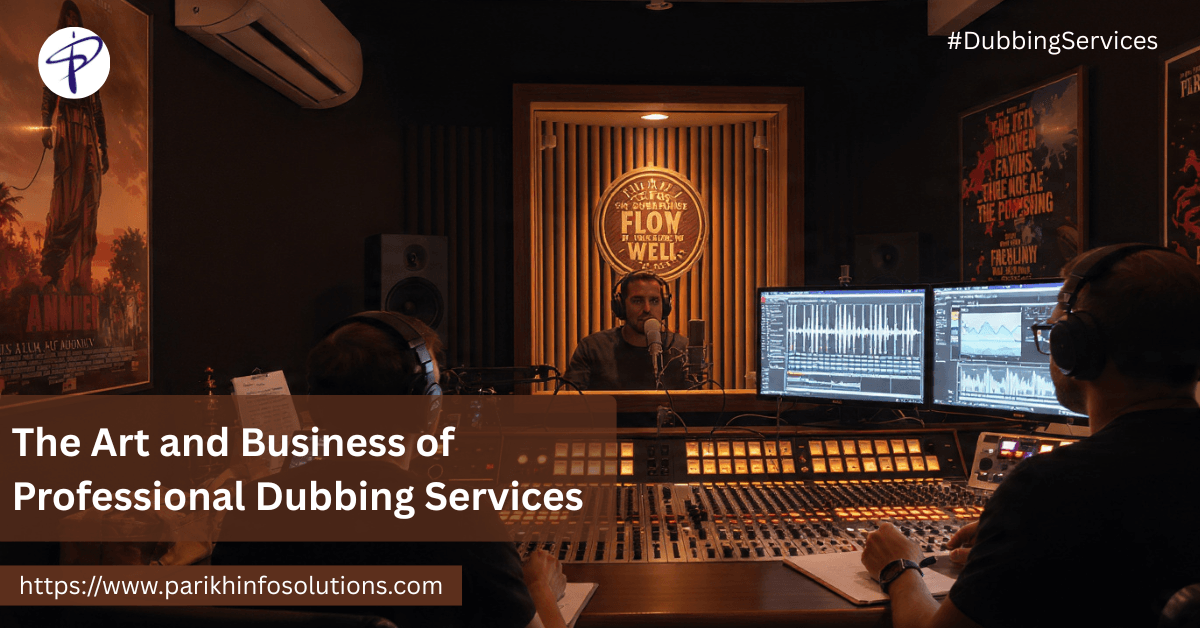
Following script adaptation, the crucial phase of voice casting commences. Directors and casting professionals seek actors whose vocal qualities align with the visual portrayal and established personalities of the characters, aiming to capture the essence of the original performances. The recording process itself predominantly utilizes Automated Dialogue Replacement (ADR). Voice actors watch the animated footage, often with a visual representation of the original Japanese waveforms or lip-flaps, and record their lines. This demands exceptional timing and performance, as actors must precisely synchronize their speech to the animated lip movements and the on-screen action, a technically demanding task. The final stage involves audio mixing, where the newly recorded dialogue is seamlessly integrated with the existing background music, sound effects, and any ambient audio, ensuring a cohesive and natural-sounding production.
Historically, anime dubbing played an indispensable role in the medium’s global expansion. In the early days, particularly into Western markets, dubbed versions were the primary means by which anime reached wider audiences, especially through television broadcasts. It removed the barrier of reading subtitles, making shows accessible to younger viewers and families, significantly contributing to anime’s initial surge in popularity beyond Japan. This cultural impact continues to be a subject of vigorous debate among fans, often polarized into camps preferring dubbed versus subbed versions, each citing arguments of convenience, authenticity, or immersion. Dubbed voice actors often shape character perception for international audiences, sometimes reinterpreting roles in ways that differ from the original, leading to both critical acclaim and, at times, controversy over certain localization choices or changes to character dialogue or plot points.
The benefits of dubbing are clear, primarily centered around increased accessibility. It caters to audiences who prefer to consume media without the distraction of reading, including young children, individuals with reading difficulties, or those with visual impairments. This broadens anime’s audience reach considerably, bringing it to mainstream viewers who might otherwise overlook subtitled content. However, inherent challenges persist. The primary struggle is maintaining the artistic intent and subtle emotional nuances of the original Japanese production. Production costs are substantial, encompassing translation, voice talent, studio time, and mixing expertise. Furthermore, the technical complexities of matching translated dialogue to pre-existing animation, especially lip-sync, often necessitate compromises in line fidelity, creating a delicate balance between accuracy and natural flow.
Conclusions
Anime dubbing stands as a vital bridge, connecting Japanese animation with a global audience. From intricate translation to precise voice acting, it ensures stories transcend language barriers, enriching the viewing experience for many. Despite ongoing debates, dubbing remains crucial for accessibility and expanding anime’s international reach, continually evolving to meet the demands of a diverse and passionate fanbase.
 Author

© Parikh info Solutions Pvt. Ltd.
2026 All Rights Reserved
Find us on: