05
PISPL Team | December 3, 2025 | 765
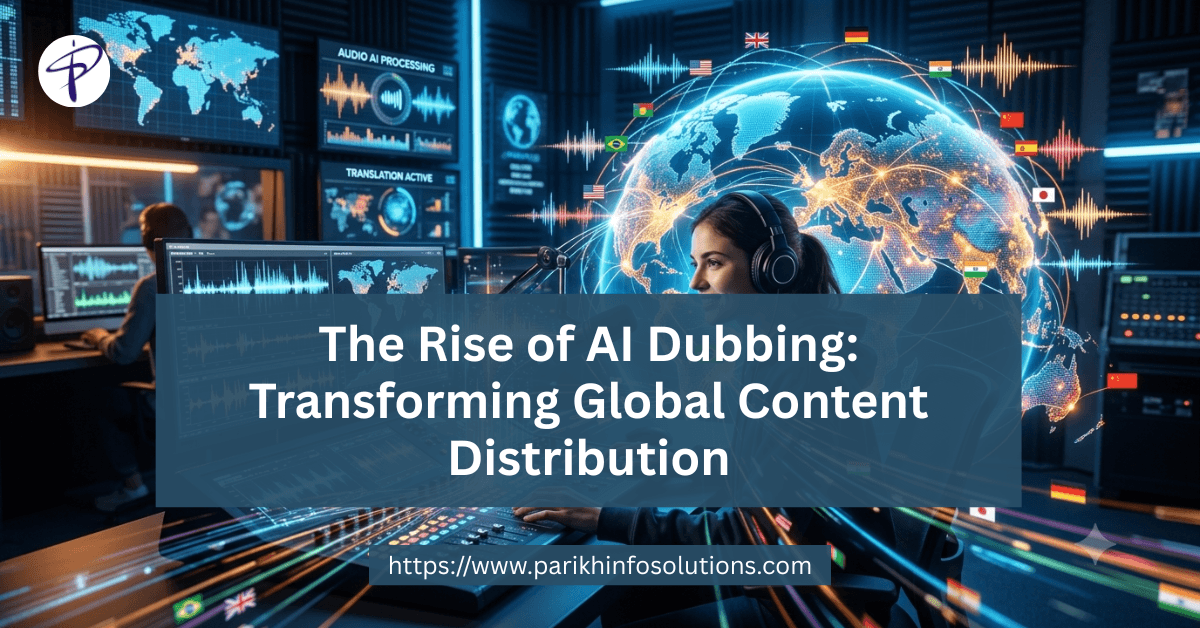
AI-dubbing is transforming the field of audio post-production by harnessing artificial intelligence to create precise and natural-sounding voiceovers. This technology improves localization for films and media, allowing global audiences to enjoy content in their native languages seamlessly. In this article, we will delve into its workings, benefits, and the future potential of AI-driven dubbing solutions.
Understanding AI-Dubbing
AI-dubbing refers to the use of artificial intelligence technologies to produce voiceovers for media content, providing an alternative to traditional dubbing methods. At its core, AI-dubbing is defined by the application of sophisticated algorithms and machine learning techniques that enable machines to generate voiceovers that can match the emotional tone and timing of the original audio. The evolution of dubbing from manual processes to AI-powered solutions marks a significant shift in the industry, making content more accessible to a global audience.
Historically, dubbing relied heavily on human voice actors who meticulously performed their lines in sync with the original performances. This manual method was not only time-consuming but also faced challenges such as maintaining a consistent emotional tone and capturing cultural nuances inherent in different languages. As media consumption expanded globally, there was a growing need for a more efficient approach to voiceovers, which led to the integration of technology into the dubbing process.
AI-dubbing employs advanced deep learning algorithms that analyze the phonetic and emotional aspects of speech, allowing the system to replicate not just the words but also the cadence and inflection of the original performance. Techniques such as natural language processing (NLP) and text-to-speech (TTS) synthesis enable the AI to create voiceovers that sound natural and human-like. The AI can also learn from vast datasets of speech patterns, dialects, and accents, becoming increasingly accurate over time in generating localized content.
One of the key advantages of AI in dubbing is its ability to facilitate precise language translation while ensuring synchronization with the original audiovisual material. Automated translation services can be augmented with AI to produce translations that are contextually relevant and culturally appropriate, vastly improving the viewing experience for international audiences. Moreover, AI-dubbing significantly reduces the production timeline; what once took weeks or months to complete can now be accomplished in a matter of days, enabling quicker turnarounds for content release.
The flexibility and efficiency of AI-dubbing also present the potential for vast applications across various media forms, including films, television shows, video games, and online content. As technology continues to evolve, AI-dubbing is shaping the future of the industry, promising a blend of quality and speed that was previously unattainable, while bridging the language gap in an increasingly interconnected world.
Conclusions
In conclusion, AI-dubbing represents a significant advancement in audio post-production, offering enhanced accuracy and efficiency. As technology continues to evolve, we can expect to see even more innovative applications in the dubbing industry, allowing for richer and more accessible content for audiences worldwide. Embracing these changes promises to reshape how we experience film and media.
 Author

© Parikh info Solutions Pvt. Ltd.
2026 All Rights Reserved
Find us on: